
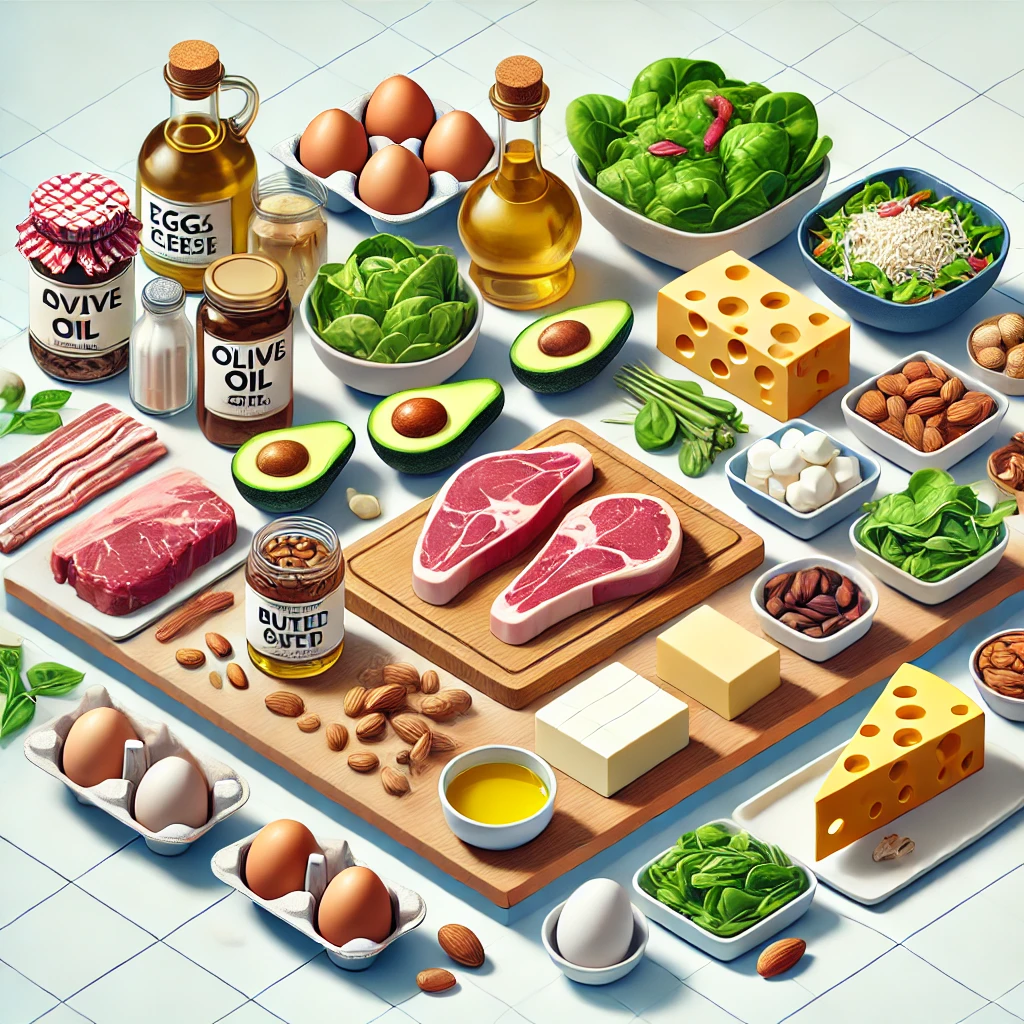
Eating well sounds simple until real life gets involved. Long meetings run late, errands pile up, and the fridge somehow ends up full of ingredients that do not quite make a meal. That is why meal planning has moved from a weekend chore to a practical health tool for busy people.
The goal is not to chase a perfect diet. It is to understand what nutritionists look for when judging whether a meal actually supports your energy, focus, and long-term health.
What Makes a Delivered Meal “Healthy”?
A healthy meal is not just low in calories. Nutritionists usually look for balance: protein, fiber-rich carbohydrates, healthy fats, and plenty of plants. Together, these nutrients help you feel full, support steady energy, and provide more vitamins and minerals throughout the day.
A useful guide is the “healthy plate” approach. About half the plate should come from vegetables and fruit, one quarter from whole grains or high-fiber carbohydrates, and one quarter from healthy protein like fish, poultry, beans, lentils, tofu, eggs, nuts, or seeds.
This is where healthy meal delivery can help. The best options make balanced eating easier by pairing fresh ingredients or prepared items that already follow basic nutrition principles. Portion size still matters, though. A strong meal should include enough protein, colorful produce, and slow-digesting carbohydrates like brown rice, quinoa, beans, oats, or whole grain pasta.
The main warning sign is a meal that looks healthy but is low in fiber and high in sodium, added sugar, or heavily processed sauces. Flavor matters, but a good meal should not rely only on salt, sugar, or saturated fat.
Why Convenience Can Support Better Eating
Many people think convenience is the enemy of healthy eating. Nutritionists tend to see it differently. The real problem is not convenience itself. The problem is relying on convenient foods that offer little nutritional value.
A well-planned delivery option can reduce the friction that stops people from eating well. Less shopping, less guessing, and fewer last-minute decisions can make a big difference after a long workday. When healthier choices are already in the house, people are more likely to use them.
That matters for professionals, parents, caregivers, students, and anyone with a schedule that changes week to week. Food choices are often shaped by what is easy at the exact moment hunger hits. If the easiest choice is a balanced bowl, a ready-to-cook vegetable pasta, or a protein-rich salad, healthy eating becomes less about discipline and more about setup.
Nutritionists also care about consistency. One perfect meal will not transform health. A repeatable pattern can. If delivered meals help someone eat more vegetables, choose whole grains more often, or cut back on fast food during the week, the benefit is practical and real.
There is also a mental load issue. Planning every breakfast, lunch, dinner, and snack takes effort. For people managing work stress, family needs, or health goals, removing some of that decision-making can help. A good system still leaves room for choice, but it narrows the field to better options.
The key is to avoid treating delivery as a free pass. A smart meal service should help you build habits you can recognize and repeat. Look for meals that teach simple patterns, such as grain plus greens plus protein, or roasted vegetables plus beans plus a flavorful sauce. Over time, those patterns can shape better choices even when you are cooking on your own.
What Nutritionists Suggest You Look For
Start with the ingredient list. Shorter is not always better, but recognizable ingredients are a good sign. Vegetables, legumes, whole grains, lean proteins, nuts, seeds, herbs, and simple sauces usually point in the right direction.
Next, look at protein. Protein supports fullness and helps maintain muscle, especially when paired with regular movement. A meal does not need to be meat-based to be high in protein. Beans, lentils, tofu, tempeh, Greek yogurt, eggs, nuts, and seeds can all play a role.
Fiber is another major clue. Most people know that fiber supports digestion, but it also promotes fullness and makes meals feel more satisfying. Meals with vegetables, fruit, beans, lentils, and whole grains tend to bring more fiber than meals built around refined grains.
Sodium deserves attention too. Some prepared meals use a lot of salt to boost flavor. That does not mean every delivered meal is a problem, but it does mean buyers should compare labels when available. Herbs, spices, citrus, vinegar, garlic, ginger, and chili can add flavor without leaning only on salt.
Variety is just as important as any single nutrient. Eating the same “healthy” meal every day can get boring and may limit the range of nutrients you receive. Nutritionists often encourage eating across colors, textures, and protein types. A week that includes leafy greens, orange vegetables, beans, whole grains, berries, nuts, and lean protein is stronger than one built around the same bowl five times.
Also think about fit. A meal plan that does not match your tastes, budget, cooking skill, or schedule will not last. The healthiest option is the one you can keep using without feeling trapped by it. That may mean fully prepared meals for some people, meal kits for others, or grocery-style delivery that helps stock the fridge with flexible staples.
Better Meals Start With Smarter Systems
Healthy eating works best when it feels realistic. Nutritionists are not looking for perfection, and most people do not need complicated rules. They need meals that are balanced, satisfying, and easy enough to choose again tomorrow.
The science behind better eating points to a simple idea: make the healthy choice the convenient choice. When meals include plants, protein, fiber-rich carbohydrates, and flavorful ingredients, they can support energy, focus, and better routines. Healthy meal delivery is not magic, but used well, it can be a smart system for eating better in a busy life.
